

James' Beetle Farm
Wood's Jewel Scarab (Chrysina woodi)
Wood's Jewel Scarab (Chrysina woodi)
Couldn't load pickup availability
Species Summary:
Adult lifespan: 2-4 months
Pupa period: 1-2 months.
Larva period: 4-6 months
Breeding difficulty: 3/10
Species Info:
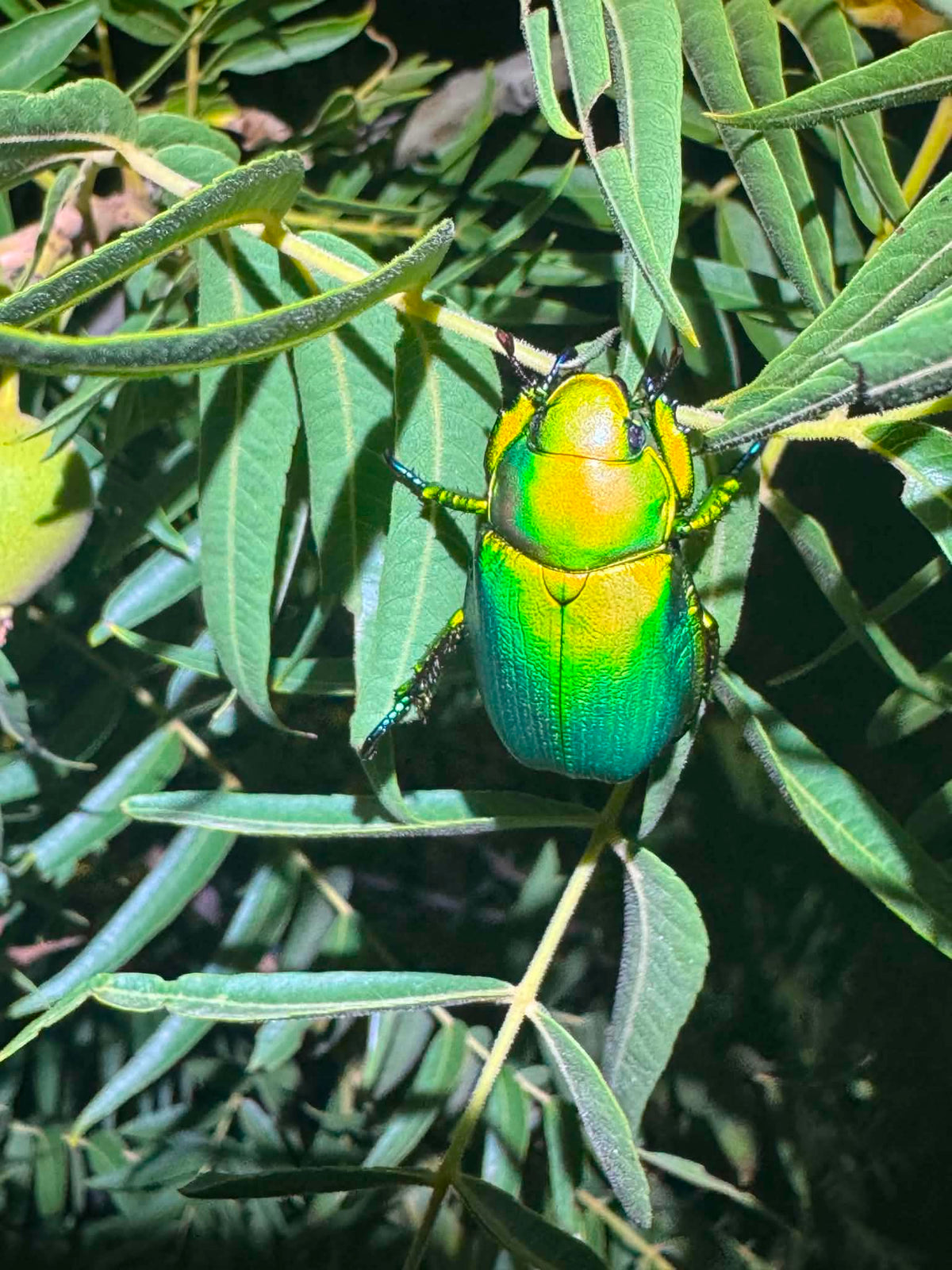
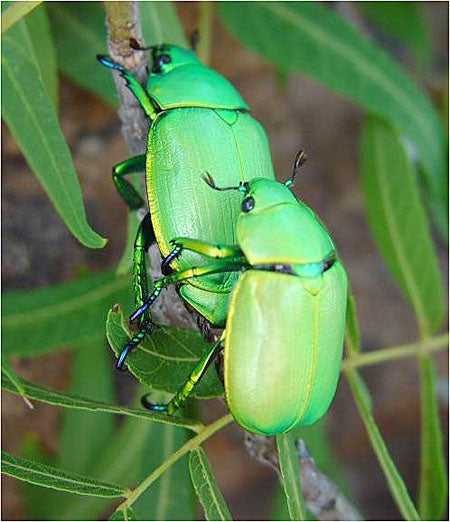
Chrysina woodii is a striking jewel scarab in the family Scarabaeidae, subfamily Rutelinae, native to parts of the southwestern United States and northern Mexico. Commonly known as Wood’s jewel scarab, it is particularly valued by beetle enthusiasts for its metallic coloration and attractive appearance. Like other members of Chrysina, its body has a highly reflective, often greenish or golden coloration produced by specialized microscopic structures in the exoskeleton rather than simple pigmentation.
Adults are generally medium-sized for Chrysina, with a robust, oval body and a smooth, polished appearance. Their metallic coloration can vary somewhat depending on the individual and viewing angle, making them especially appealing as display specimens. Adults are primarily associated with woodland and forest habitats where suitable host plants are available.
The larval stage is spent underground or within decaying organic material, where the larvae feed on decomposing plant matter. As with many rhinoceros and jewel scarabs, the larval period is considerably longer than the adult stage. After completing their development, larvae pupate before emerging as mature adults. Adults are primarily active during warmer periods and may be attracted to lights at night.
For hobbyists, Chrysina woodii is an interesting species because of its metallic appearance, manageable adult size, and relatively specialized natural habitat. Successful captive breeding generally requires attention to larval substrate quality, moisture, temperature, and adequate space for development. Because Chrysina species can be sensitive to environmental conditions, stable husbandry is important when attempting to maintain or breed them in captivity.
Share